Let’s be honest. When you first hear the name “Kocani,” if you hear it at all, it’s probably linked to one thing: rice. For years, that’s all I knew about it. In my mind, it was just that place on the map in eastern Macedonia, somewhere between the bigger cities, responsible for filling the nation’s bowls. I pictured endless fields and tractors, which, while lovely, didn’t exactly scream “must-visit destination.” How wrong I was. My first trip there was a lesson in how places, much like people, are never defined by just one thing. What I found was a town with a gentle soul, a rich historical heartbeat, and a warmth that doesn’t just come from its famous thermal springs.
So, if you’re curious about this often-overlooked corner of Macedonia, pull up a chair. Let me tell you about Kocani, not from a dry guidebook, but from the perspective of someone who was genuinely surprised and charmed by it.
Where in the World is Kocani?
Before we dive into its stories, let’s get our bearings. Kocani isn’t a coastal resort or a mountain ski hub. Its charm is subtler, rooted in the land itself. You’ll find it nestled in the eastern part of North Macedonia, roughly a two-hour drive from the capital, Skopje, and about an hour and a half from the more tourist-trodden city of Strumica.
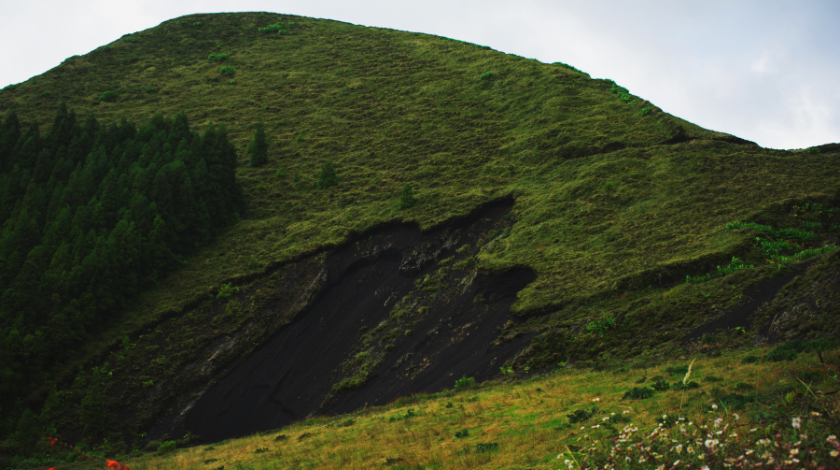
The town sits comfortably in the Kocani Valley, a wide, fertile plain cradled by mountains. To the north, you have the Osogovo mountains, and to the south, the massive, brooding presence of Mount Plackovica. This geographical setup isn’t just pretty; it’s the secret to everything Kocani is. The mountains protect the valley, the rivers feed it, and the result is this incredibly lush, green oasis that feels worlds away from the arid landscapes you might see in other parts of the country. Driving into the valley, especially in late spring or early summer, is a visual treat. The patchwork of vibrant green rice paddies against the dark blue-grey of the mountains is a sight I still vividly remember.
A Layered Past: Walking Through Kocani’s History
You can’t understand a place without listening to its past, and Kocani has been whispering stories for centuries. This isn’t a history of grand, world-shaking battles, but one of steady life, trade, and cultural exchange. Evidence suggests people have lived here since Roman times, drawn by the fertile land and those healing thermal waters we’ll talk about later.
But the two most significant layers on Kocani’s historical canvas are the Byzantine and the Ottoman. You can feel this duality just by walking through the town center. The most prominent landmark is the Kocani Mosque (Ahmed Bey Mosque), built in the 18th century. Its elegant minaret pierces the skyline, a beautiful example of Ottoman architecture. Standing quietly nearby is the St. Bogorodica Church, a 19th-century Orthodox church. They don’t compete; they coexist. This peaceful cohabitation tells you more about the town’s character than any history book could. It speaks of a community that has, for a long time, learned to live together. For me, sitting on a bench between these two buildings, watching locals go about their day, was a profound moment of quiet understanding.
The Grain of Life: Why Kocani Rice is Famous
Alright, let’s address the elephant in the room, or rather, the grain in the field. Yes, Kocani is, first and foremost, the rice bowl of Macedonia. And this isn’t just a minor fact; it’s the cornerstone of the local economy and identity. The Kocani Valley provides near-perfect conditions for rice cultivation: abundant water from the Bregalnica River and its tributaries, a warm climate, and that rich, flat land.
But here’s what I learned from talking to a local farmer over a strong coffee: it’s not just about quantity; there’s a growing pride in quality. “Kocanski rice” is becoming a brand, a sign of something local and authentic. You’ll see it in markets across the country, and it forms the base of one of Macedonia’s most beloved comfort foods, sarma (stuffed cabbage rolls). Tasting sarma made with Kocani rice in Kocani itself is a different experience. The grains are plump, sticky in just the right way, and absorb the flavours beautifully. It’s a humble, everyday kind of magic, but it’s real. When you visit, buy a small bag from a local shop. It’s the tastiest souvenir you could take home.
Beyond the Fields: What to Actually Do in Kocani
If you think Kocani is just a drive-through town, think again. It rewards the curious traveler with some genuinely lovely experiences.
First and foremost, you must visit the Kocani Spa (Banja). Located just a few kilometers from the town center, this is where the town’s subterranean gifts rise to the surface. The thermal water here is rich in minerals and is believed to help with rheumatism, skin conditions, and just general stress. The public bathhouse is a no-frills, local institution. It’s not a luxury spa; it’s a functional, social one. I spent an afternoon there, alternating between the hot indoor pools and the cooler air, and emerged feeling like I’d shed ten years of tension. The water has a distinct, smooth feel to it. For a more private experience, several hotels in the area have tapped into the springs for their own spa facilities.
Back in town, take a leisurely walk. Start at the main square, shaded by trees, and just wander. Peek into the courtyard of the mosque. Admire the fading but still grand architecture of the old town houses. Visit the local museum to get a consolidated view of the archaeology and ethnography of the region. It’s small but heartfelt. The goal here isn’t to tick off a list of “top 10 attractions,” but to absorb the slow, friendly rhythm of local life. People will greet you, shopkeepers will chat, and the pervasive feeling is one of safety and calm.
A Feast for the Senses: The Food and Festivals of Kocani
Macedonia is a foodie paradise, and Kocani holds its own. The cuisine here is hearty, seasonal, and deeply connected to the land. Obviously, rice features heavily. Try rižot (a local risotto) or japrak (stuffed vine leaves). But don’t miss the freshwater fish from the local rivers, often grilled to perfection. The peppers and tomatoes from the valley are incredibly flavorful, making shopska salad taste like a revelation. My most memorable meal was at a family-run kafana (tavern) where the owner insisted I try a bit of everything. It was a messy, delicious, and utterly joyful affair.
If you can time your visit, aim for late February or early March to experience the Kocani Carnival. This isn’t a small parade. It’s a massive, chaotic, and incredibly colorful explosion of energy that draws thousands. Locals spend months preparing elaborate, often satirical costumes. Groups dance through the streets in synchronized routines to pounding brass band music. The air is thick with confetti and laughter. It’s a celebration of spring, of life, and of shaking off the winter blues. I’ve been to many festivals, but the raw, community-driven joy of the Kocani Carnival is something special. It completely shatters any quiet, agricultural image you might have had of the town.
When to Go and How to Feel It
The best time to visit Kocani depends on what you want. Late spring (May-June) is magical, with the rice fields a brilliant emerald green and the weather perfect for exploring. Early autumn (September-October) brings golden hues to the landscape and the satisfaction of harvest. Summer can be hot, but that’s when the outdoor cafe life is in full swing. And, as mentioned, late winter is for the Carnival enthusiasts.
To truly feel Kocani, you have to slow down. Have a three-hour coffee. Talk to the person next to you. Soak in the public baths. Buy fruit from the market. Let go of the need for constant stimulation and allow the town’s gentle, resilient spirit to reveal itself to you.
Conclusion: The Quiet Allure of Authenticity
Kocani won’t bombard you with epic landmarks or world-famous sites. What it offers is something rarer in our age of overtourism: authenticity. It is a working town, a community, a piece of real Macedonia untouched by mass tourism. It’s the taste of perfect rice, the feel of healing water on your skin, the sound of a carnival trumpet, and the sight of a mosque and a church sharing the same sky.
It taught me that the most rewarding travels are often to places that don’t shout, but whisper. And in Kocani’s whisper, you can hear the story of the land, the resilience of its people, and the simple, profound beauty of everyday life. It’s not just a stop; it’s an experience. And I, for one, am so glad I finally listened.
Frequently Asked Questions (FAQ)
Q: Is Kocani worth visiting?
A: Absolutely, if you enjoy authentic cultural experiences, thermal spas, and beautiful rural landscapes over crowded tourist hotspots. It’s a perfect 1-2 day getaway to see a different side of Macedonia.
Q: How do I get to Kocani?
A: The easiest way is by car from Skopje (via the A4/E65 highway) or from Strumica. There are also regular buses from Skopje’s main bus station, which take about 2-2.5 hours.
Q: What is the best souvenir from Kocani?
A: A bag of authentic Kocani rice is the classic choice. You can also look for local honey, rakija (fruit brandy), or handicrafts.
Q: Are the Kocani hot springs open to the public?
A: Yes, the public spa (Banja Kocani) is open year-round for a very affordable fee. Several hotels also offer private spa access to their guests.
Q: What else is there to see near Kocani?
A: You can easily pair a trip to Kocani with visits to the archaeological site of Stobi, the wine region of Strumica, or the scenic lakeside town of Berovo.