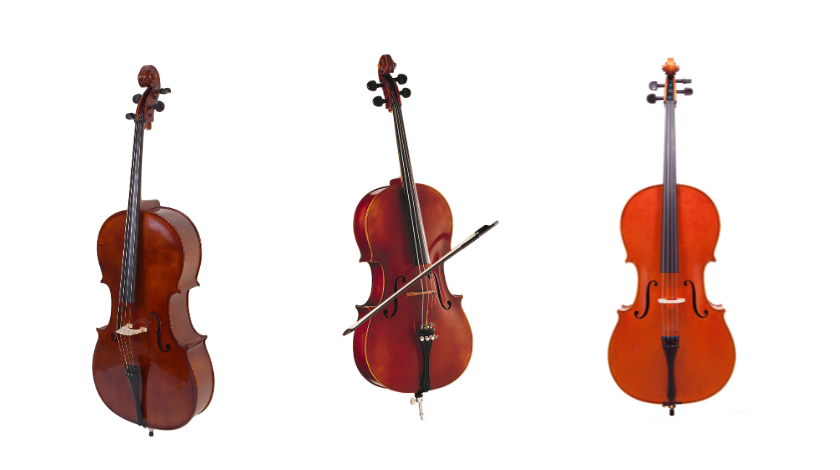
Have you ever heard a cello piece and felt it right in your chest? That rich, warm, almost human voice that can sound sorrowful one moment and joyful the next? Maybe you’ve watched someone play and wondered what it would be like to draw the bow across those strings yourself. But then, perhaps, a flood of questions stopped you. Is the cello hard to learn? How much does one cost? Where on earth would you even begin?
I remember the first time I seriously considered learning. I was an adult, busy with work, and the thought of starting such a serious-looking instrument was daunting. All I could see were the hurdles. Let me tell you, I’ve been where you are. This guide is the conversation I wish I’d had back then—honest, clear, and hopefully, a little inspiring. We’ll walk through the real challenges, the undeniable rewards, and the practical first steps of welcoming the cello into your life.
What Exactly Is a Cello, Anyway?
Let’s start with the basics. The cello, or by its full name, the violoncello, is a bowed string instrument. It’s a core member of the orchestra’s string section, sitting right between the violas and the double basses. But to call it just an “orchestral instrument” is a huge disservice. It’s a solo powerhouse, a beloved partner in chamber music like string quartets, and even a star in modern pop and film scores.
Its voice is so compelling because its range is closest to the human voice—from deep, resonant lows to bright, lyrical highs. It’s played seated, with the instrument resting between your knees, its neck leaning on your left shoulder. You vibrate the strings with your left hand to change pitches (and it has no frets like a guitar, which is a point we’ll get to!), and you draw a bow across them with your right hand to create that sustained, singing sound. Or, you can pluck the strings with your fingers, a technique called pizzicato.
The Big Question: Is the Cello Hard to Learn?
This is the gatekeeper question for most people. My honest answer is this: yes, it presents unique challenges, but they are absolutely not insurmountable, especially with the right approach. Let’s break down the common hurdles so they don’t seem so mysterious.
First, the physicality. The cello is large. It requires a certain amount of core strength and flexibility to hold it comfortably without slouching. Your left hand must stretch into sometimes awkward positions on the fingerboard. Your right arm needs to learn a whole new set of movements to control the bow in a straight line. The first few weeks can feel clumsy, like learning to hold a pencil all over again. But your body adapts surprisingly quickly with consistent, short practices.
Second, the fretless fingerboard. Unlike a guitar or ukulele, the cello’s fingerboard is smooth wood. There are no metal frets to guide your fingers to the perfect note. You have to learn exactly where to place each finger by ear and muscle memory. This is perhaps the most significant initial challenge. A note even a millimeter off can sound out of tune. But here’s the secret: this is also what gives the cello its incredible expressiveness. You can slide between notes (a glissando) and make micro-adjustments that fill the music with emotion. Developing this ear is a journey, not a destination.
Third, the initial sound. When you first start, you might produce more squeaks and scratches than golden tones. The bow is sensitive to pressure, speed, and where it contacts the string. This is normal. It’s part of the process. The day you first produce a clear, sustained note feels like a genuine victory.
Now, let’s talk about the rewards, because they far outweigh these early struggles. The cello’s sound is instantly gratifying. Even a simple open string (a string played without fingering) resonates with a beautiful, deep tone. The learning curve, while steep at the very start, becomes incredibly logical. You build skills in a clear progression. Furthermore, the cello community is wonderfully supportive. There’s a shared understanding of the instrument’s quirks, and finding fellow learners or groups to play with can be immensely motivating.
Your Practical First Steps: From Dreaming to Doing
Okay, so you’re intrigued and ready to dip a toe in. What does the actual path look like?
-
Find a Teacher, Even Just for a Few Lessons. This is my strongest piece of advice. A good teacher, even if you only see them once a month or start with a short introductory course, is invaluable. They will prevent bad habits from forming, show you how to hold the instrument without injury, and give you immediate feedback on your sound. I tried online videos alone for a month and made little progress. One in-person lesson corrected my bow hold and changed everything. Look for local music schools, community colleges, or ask for recommendations from orchestra players. Many now offer online lessons, which can be fantastic for flexibility.
-
The Instrument Question: To Rent or to Buy? Do not, I repeat, do not go out and buy an expensive cello right away. The best path for 95% of beginners is to rent. A good rental program from a dedicated string shop (not a general music store) provides a quality, properly set-up instrument, often at a very reasonable monthly fee. The “set-up” is crucial—the bridge height, string alignment, and peg fitting. A poor set-up on a cheap instrument can make it literally unplayable and crush your enthusiasm. Many rental schemes also have a rent-to-own option, where your payments go toward a future purchase. After a year or so, you’ll know if you’re committed and what kind of sound you prefer.
-
Embrace Smart, Consistent Practice. You do not need to practice for two hours a day. Consistency beats marathon sessions. Twenty to thirty minutes of focused practice, five days a week, will yield remarkable results. Focus on the fundamentals in the beginning: long, slow bow strokes to develop a clean sound, and simple finger placement exercises. Your teacher will guide this. Remember, it’s not about the clock; it’s about mindful repetition.
-
Join the Community. Listen to cello music! Explore the breathtaking passion of Jacqueline du Pré in Elgar’s Cello Concerto, the sublime precision of Yo-Yo Ma playing almost anything, or the innovative work of artists like 2Cellos. Go watch a local orchestra or a chamber music concert. Hearing the instrument played live is a magical boost. Online forums and social media groups are full of supportive beginners and experienced players willing to offer tips.
The Journey is the Point
Learning the cello is not a race. It’s a slow, deepening relationship with an instrument that has a soul. Some days will be frustrating. You’ll feel like your fingers are made of wood and your bow arm has a mind of its own. But then, there will be a moment—when you finally nail that tricky shift, when you play a short phrase and it actually sounds like music, when you feel the vibration of a low C note through your body—that makes every squeak worth it.
It teaches patience, mindfulness, and the profound joy of creating something beautiful with your own hands. It’s not just about learning an instrument; it’s about giving yourself a new voice.
So, if that deep, singing sound calls to you, I encourage you to take the first step. Find a teacher for a trial lesson. Rent a cello for a month. See how it feels. The world could always use more cellists, and your musical journey, however it unfolds, is a worthy one.
Conclusion
Starting the cello is a decision to embrace a beautiful challenge. While its initial learning curve involves physical coordination and training your ear on a fretless fingerboard, the journey is structured, deeply rewarding, and supported by a wonderful community. By beginning with a teacher, opting to rent a properly set-up instrument, and committing to short, consistent practice, you can successfully navigate the early hurdles. The cello’s uniquely human and resonant voice offers a lifetime of musical exploration, making every step of the effort profoundly worthwhile.
FAQ (Frequently Asked Questions)
1. How much does a beginner cello cost?
A decent, playable beginner cello outfit (including cello, bow, and case) typically starts between $800 and $2,000 if buying. However, rental is strongly recommended, with monthly fees usually ranging from $30 to $80. This gives you access to a better-quality instrument without the large upfront cost.
2. Is the cello harder to learn than the violin?
Both present challenges. The cello is larger and uses different physical motions. The violin is smaller but requires more precise, often uncomfortable, arm positioning to play in tune. Many find the cello’s posture more natural and its deeper initial sound more satisfying. “Harder” is subjective and depends on the individual.
3. Can I learn cello as an adult?
Absolutely! Adults often make excellent students because they are self-motivated and understand the value of structured practice. Progress might differ from a child’s, but the ability to learn and enjoy music is ageless.
4. How do you tune a cello?
Standard cello tuning from high to low is A, D, G, C. Beginners usually use a digital tuner or a tuning app. You turn the pegs at the scroll for large adjustments and the fine tuners on the tailpiece for small adjustments. It’s a skill that takes practice, and your teacher will show you how.
5. What are some famous cello pieces for beginners to listen to?
-
Bach’s Cello Suites (especially Suite No. 1, Prelude): The cornerstone of cello literature.
-
Saint-Saëns: “The Swan” from The Carnival of the Animals: A beautiful, lyrical melody.
-
Schubert: “Arpeggione” Sonata: Full of gorgeous themes.
-
Any recording by Yo-Yo Ma, Mstislav Rostropovich, or Jacqueline du Pré to hear the instrument’s emotional range.